
Risk Management in Trading: The Complete Beginner’s Guide to Protect Your Capital and Trade Like a Professional (2026-2027)
Risk Management in Trading is the most important skill every trader should master before risking real money in the financial markets.
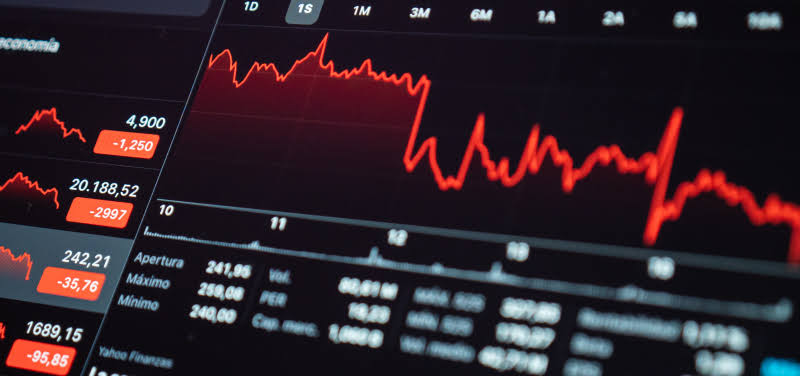
Introduction
Imagine spending months learning chart patterns, indicators, candlestick formations, and technical analysis only to lose your entire trading account within a few weeks. It happens far more often than most beginners expect. The surprising truth is that the market doesn’t usually defeat traders because they lack technical knowledge—it defeats them because they fail to manage risk. Many new traders believe finding the “perfect strategy” is the secret to success, but experienced professionals understand that protecting capital is the real foundation of profitable trading.
Risk management is the safety system that keeps traders in the game during both winning and losing streaks. Even the best trading strategy can experience consecutive losses because financial markets are unpredictable. A disciplined trader accepts that losses are part of the business and focuses on limiting them instead of trying to eliminate them completely. This simple mindset separates long-term professionals from traders who repeatedly blow their accounts.
Whether you trade Forex, Stocks, Cryptocurrency, Commodities, or Indices, the same principle applies: if you protect your trading capital, you give yourself another opportunity to profit tomorrow. Without proper risk management, even a strategy with a high win rate can eventually fail because one oversized loss can erase weeks or months of gains.
Think of trading like driving a car. You may be an excellent driver, but you still wear a seatbelt every time you get behind the wheel. The seatbelt doesn’t prevent accidents—it reduces the damage if one occurs. Risk management works exactly the same way. It won’t eliminate losing trades, but it will prevent a single mistake from destroying your trading journey.
This guide explains risk management in simple language, using practical examples and professional insights. By the end, you’ll understand why experienced traders often say that making money in trading begins with learning how not to lose it.
What is Risk Management in Trading?
Risk management in trading is the process of controlling how much money you are willing to lose on any single trade and ensuring that no individual mistake can significantly damage your trading account. It involves setting clear rules for position size, stop-loss placement, leverage, and the maximum amount of capital exposed to the market. While many beginners focus on finding profitable entry points, experienced traders understand that success depends just as much on managing exits and limiting losses.
A common misconception is that risk management only applies after a trade starts losing money. In reality, it begins before you even click the buy or sell button. Professional traders calculate their risk first and only enter a trade if it fits within their predefined plan. This disciplined approach removes emotional decision-making and helps maintain consistency during both winning and losing periods.
Risk management also prepares traders for uncertainty. No indicator, chart pattern, or trading system can predict every market movement with complete accuracy. Economic news, unexpected geopolitical events, and shifts in market sentiment can quickly change price direction. By limiting exposure on every trade, traders protect themselves from events they cannot control while staying financially prepared for future opportunities.
Perhaps the most important benefit of risk management is confidence. Knowing that a single trade cannot wipe out your account allows you to follow your trading plan without fear. Instead of reacting emotionally to every price fluctuation, you remain focused on executing your strategy over hundreds of trades, where consistency—not perfection—creates long-term profitability.
To understand trading terminology in more detail, you can refer to Investopedia’s Risk Management Guide: https://www.investopedia.com/
Types of Trading Risks
Every trader faces multiple forms of risk, regardless of the market they trade. Understanding these risks makes it easier to prepare for them rather than being caught by surprise.
| Risk Type | Description | Example |
|---|---|---|
| Market Risk | Price moves against your position | Gold drops after you buy |
| Volatility Risk | Sudden large price swings | News causes sharp movement |
| Liquidity Risk | Difficulty entering or exiting trades | Low-volume stocks |
| Leverage Risk | Amplified profits and losses | High leverage wipes account |
| Psychological Risk | Emotional decisions | Revenge trading |
Recognizing these risks is the first step toward building a disciplined trading approach. Rather than fearing risk, successful traders learn to manage it intelligently.
Risk vs Reward
Every trade is a business decision involving potential profit and potential loss. This relationship is known as the risk-reward ratio, and it plays a crucial role in determining long-term profitability. A trader who risks ₹1,000 to potentially earn ₹3,000 is taking a 1:3 risk-reward trade. Even if only half of these trades are successful, the overall trading performance can remain profitable.
Many beginners focus entirely on increasing their win rate, believing that winning more trades automatically leads to success. Professional traders think differently. They understand that a balanced combination of reasonable win rates and favorable risk-reward ratios creates sustainable growth. A trader with a 45% win rate can still outperform someone with an 80% win rate if their average winning trade is significantly larger than their average loss.
Another important distinction is emotional control. Traders who consistently chase unrealistic profits often move their stop-loss orders farther away or remove them altogether, increasing potential losses. On the other hand, disciplined traders accept predefined losses and allow profitable trades enough room to reach their targets. This approach transforms trading from gambling into a structured business process.
Ultimately, risk and reward must always be evaluated together. Entering trades with unlimited downside and limited upside rarely leads to long-term success. Every trade should offer enough potential reward to justify the amount of capital being placed at risk.
Why Risk Management in Trading Matters?
Many traders believe profitability comes from finding a magical indicator or a secret trading strategy, but history has repeatedly shown that capital preservation is the true key to survival in financial markets. Even world-class traders experience losing trades. The difference is that professionals lose small, controlled amounts while allowing winning trades to grow over time. This simple principle enables them to remain active in the market for years rather than weeks.
Risk management protects traders from the devastating impact of large drawdowns. Consider two traders who each start with ₹100,000. The first trader loses 10% of the account and now needs approximately 11% to recover. The second trader loses 50%, leaving only ₹50,000. Recovering from that loss now requires a 100% return just to reach the starting balance. This example demonstrates why preventing large losses is more important than chasing large profits.
Another reason risk management matters is psychological stability. Smaller losses are easier to accept, making it less likely that traders will revenge trade, increase lot sizes impulsively, or abandon their trading plans. Emotional discipline becomes much easier when every trade carries a manageable level of financial risk. Instead of worrying about individual outcomes, traders can focus on executing their strategy consistently over the long term.
Successful trading is not about winning every trade—it is about ensuring that no single trade has the power to end your trading career. Once traders understand this concept, they begin treating risk management as the most valuable tool in their entire trading system.
Common Mistakes Traders Make
One of the biggest mistakes beginners make is risking too much money on a single trade. Excitement, overconfidence, or the desire to recover previous losses often leads traders to increase their position sizes beyond safe levels. While this approach may occasionally produce large profits, it eventually exposes the account to devastating losses that are difficult—or even impossible—to recover from.
Another common mistake is trading without a stop loss. Many traders convince themselves that the market will eventually return in their favor, refusing to close losing positions. Unfortunately, markets can remain irrational far longer than expected, and small losses often grow into account-destroying disasters. A stop loss is not a sign of weakness; it is a professional tool that protects trading capital from unexpected market movements.
Overtrading is another major problem. Some traders believe that taking more trades automatically increases profit potential, but excessive trading usually results in lower-quality setups, higher transaction costs, and emotional exhaustion. Professional traders understand that patience is a competitive advantage. Waiting for high-probability opportunities often produces better results than constantly chasing market movements.
Finally, many traders allow emotions to override discipline. Fear causes them to close profitable trades too early, while greed encourages them to hold losing positions for too long. Revenge trading after a loss often leads to impulsive decisions that compound existing mistakes. Developing a written risk management plan and following it consistently helps eliminate these emotional reactions, allowing traders to approach the market with confidence, discipline, and long-term focus.
The 1% Rule in Risk Management in Trading
The 1% Rule is one of the most important principles in Risk Management in Trading. Professional traders understand that protecting capital is far more important than chasing huge profits. Instead of risking a large portion of their account on one trade, they limit their maximum loss to only 1% of their total trading capital.
Let’s say your trading account contains ₹100,000. According to the 1% Rule, the maximum amount you should risk on a single trade is:
| Account Size | Maximum Risk (1%) |
|---|---|
| ₹20,000 | ₹200 |
| ₹50,000 | ₹500 |
| ₹100,000 | ₹1,000 |
| ₹500,000 | ₹5,000 |
This simple rule keeps traders alive during losing streaks. Every trading strategy experiences losses—even strategies with a 70% win rate. By risking only 1%, you can withstand dozens of losing trades without destroying your account.
Many beginners make the mistake of risking 10–20% per trade. While this may seem exciting when trades are profitable, it becomes disastrous during periods of poor market performance. A few consecutive losses can wipe out months of hard work.
Professional traders think differently. They understand that capital preservation is the first goal of Risk Management in Trading. Consistent, controlled growth always beats rapid gains followed by devastating losses.
Pro Tip: Never increase your risk simply because you feel confident. Every trade should follow the same risk management rules.
Position Sizing in Risk Management in Trading
Position sizing determines how many shares, lots, or contracts you should trade based on your predefined risk. This is one of the most overlooked aspects of Risk Management in Trading, yet it has a major impact on long-term success.
The basic formula is:
Position Size = Maximum Risk ÷ Stop Loss Distance
Example
Trading Capital = ₹100,000
Maximum Risk = ₹1,000 (1%)
Stop Loss = ₹20
Position Size = ₹1,000 ÷ ₹20 = 50 Shares
This calculation ensures that even if the stop-loss is hit, your loss remains within your planned risk.
Example for Forex
Balance = $10,000
Risk = 1%
Maximum Loss = $100
Stop Loss = 25 pips
Position size should be calculated so that 25 pips equals approximately $100.
Never choose your lot size first and then decide where to place your stop loss. Professionals do the opposite—they calculate risk first and determine position size second.
Common Position Sizing Mistakes
- Trading the same lot size regardless of account size.
- Increasing position size after a winning streak.
- Doubling positions to recover losses.
- Ignoring volatility.
- Trading without calculating potential loss.
Avoiding these mistakes is a core part of effective Risk Management in Trading.
Risk Reward Ratio in Risk Management in Trading
The Risk-Reward Ratio (RRR) measures how much potential profit you expect compared to the amount you are willing to lose.
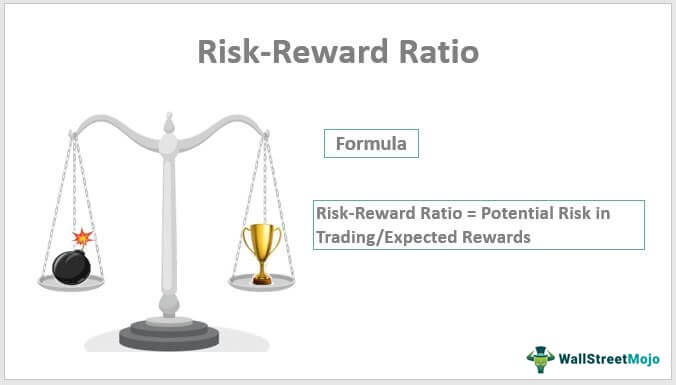
Formula
Risk : Reward
Examples:
| Risk | Reward | Ratio |
|---|---|---|
| ₹500 | ₹500 | 1:1 |
| ₹500 | ₹1,000 | 1:2 |
| ₹500 | ₹1,500 | 1:3 |
| ₹500 | ₹2,000 | 1:4 |
Professional traders usually look for trades offering at least a 1:2 risk-reward ratio. This means that for every ₹1 they risk, they aim to make ₹2.
Example
Risk per Trade = ₹1,000
Target Profit = ₹2,000
Even with a 50% win rate:
- 5 Losing Trades = -₹5,000
- 5 Winning Trades = +₹10,000
Net Profit = ₹5,000
This demonstrates why Risk Management in Trading focuses more on controlling losses than maximizing win rates.
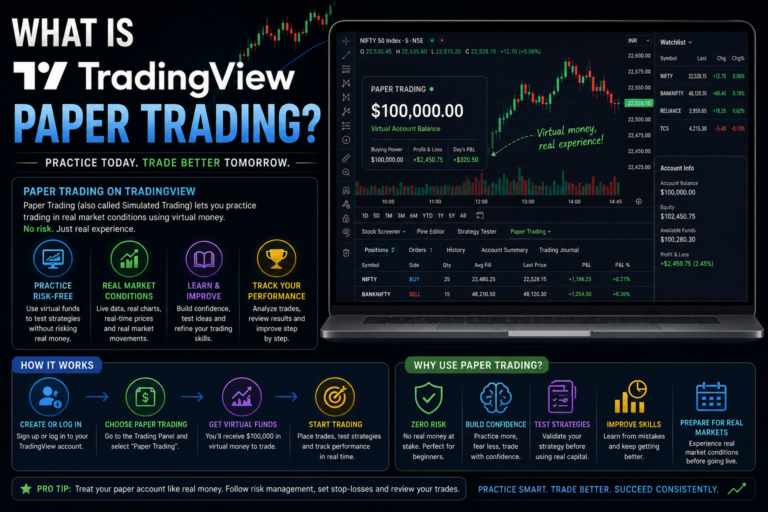
You can analyze charts and practice risk management using TradingView: https://www.tradingview.com/
Stop Loss Strategies for Better Risk Management in Trading
A stop loss is your predefined exit point if the market moves against your position. It protects your account from catastrophic losses and removes emotion from decision-making.
1. Technical Stop Loss
Place the stop below support or above resistance levels. This method aligns your risk with the market structure.
2. ATR Stop Loss
Use the Average True Range (ATR) indicator to account for market volatility. This helps avoid being stopped out by normal price fluctuations.
3. Percentage Stop Loss
Some traders risk a fixed percentage of their account on every trade, such as 1% or 2%. This keeps losses consistent.
4. Time-Based Stop
If the trade does not move as expected within a certain period, exit the position. This is useful for intraday and scalping strategies.
Important: Never remove or widen your stop loss simply because the trade is losing. Adjusting a stop out of fear often turns a small planned loss into a much larger one.
Beginner Forex traders can also improve their knowledge through the free lessons available on BabyPips School of Pipsology: https://www.babypips.com/
Capital Preservation: The Core of Risk Management in Trading
Professional traders often say:
“Protect your capital first, profits will follow.”
This philosophy is the heart of Risk Management in Trading. Your trading account is your business capital. If you lose it, you lose the ability to participate in future opportunities.
Here are practical ways to preserve capital:
- Risk only 1% per trade.
- Avoid overtrading.
- Never revenge trade after a loss.
- Use appropriate leverage.
- Keep a trading journal.
- Diversify when suitable.
- Review your performance regularly.
- Accept small losses as part of the trading process.
- Stock market investors should also follow updates from the National Stock Exchange of India (NSE): https://www.nseindia.com/
Successful traders focus on consistency rather than quick profits. Over time, disciplined risk management allows the account to grow steadily while minimizing large drawdowns.
Psychology and Risk Management in Trading
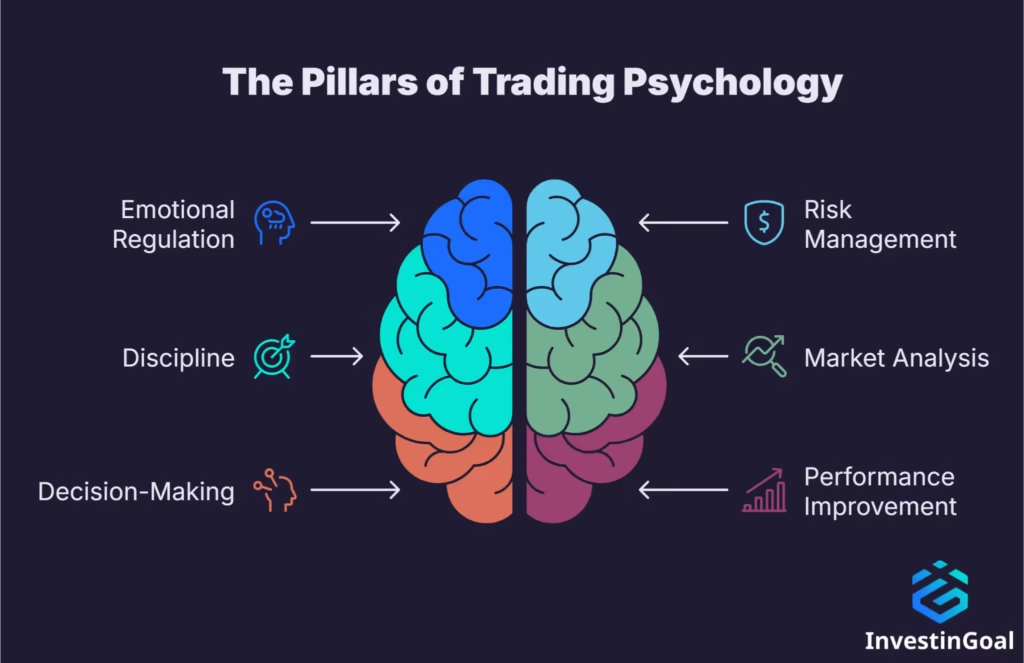
Trading psychology and Risk Management in Trading are deeply connected. Fear, greed, and frustration can cause traders to ignore their plans and take unnecessary risks.
Common emotional mistakes include:
- Closing winning trades too early due to fear.
- Holding losing trades too long in hope of a reversal.
- Increasing position size after a loss to recover quickly.
- Trading out of boredom instead of waiting for quality setups.
To stay disciplined:
- Follow a written trading plan.
- Define your maximum daily loss.
- Take breaks after consecutive losses.
- Focus on executing your strategy, not on individual trade outcomes.
- Review your journal weekly to identify emotional patterns.
The best traders know that emotions cannot be eliminated, but they can be managed through consistent rules and disciplined execution.
Conclusion
Risk Management in Trading is the foundation of long-term success in the financial markets. Every successful trader understands that protecting capital is more important than chasing quick profits. No trading strategy, indicator, or signal can guarantee a 100% win rate, which is why managing losses is essential. By following proven principles such as the 1% Rule, using proper position sizing, maintaining a healthy risk-reward ratio, and placing disciplined stop-loss orders, traders can reduce unnecessary losses and improve consistency over time.
Trading should be treated like a business rather than a game of chance. Successful traders focus on following a structured plan instead of making emotional decisions based on fear or greed. Building discipline, maintaining a trading journal, and reviewing performance regularly are all part of effective Risk Management in Trading. Small, controlled losses are simply a business expense, while large, emotional losses can end a trading career.
If you are new to trading, make Risk Management in Trading your first priority before searching for the perfect strategy. Protect your capital, remain patient, and focus on long-term consistency. Over hundreds of trades, disciplined risk management can make the difference between becoming a profitable trader and repeatedly blowing your account.
Frequently Asked Questions (FAQs)
1. What is Risk Management in Trading?
Risk Management in Trading is the process of limiting potential losses by using tools such as stop-loss orders, position sizing, and proper risk-reward ratios. Its main goal is to protect trading capital and ensure long-term consistency.
2. How much should I risk on one trade?
Most professional traders recommend risking 1% or less of your total trading account on a single trade. This helps you survive losing streaks without significantly damaging your account.
3. Why is the 1% Rule important?
The 1% Rule prevents one bad trade from causing major damage to your account. It also helps traders maintain discipline and avoid emotional decision-making.
4. What is a good Risk-Reward Ratio?
A 1:2 or 1:3 risk-reward ratio is commonly recommended. This means your potential reward should be at least twice the amount you are risking.
5. Can I trade without a stop loss?
Trading without a stop loss significantly increases the risk of large losses. A stop loss is one of the most important tools in Risk Management in Trading.
6. Does risk management guarantee profits?
No. Risk management does not guarantee profits, but it greatly improves your chances of surviving losing periods and becoming consistently profitable over time.
7. Is risk management important for Forex, Stocks, and Crypto?
Yes. Whether you trade Forex, Stocks, Commodities, Indices, or Cryptocurrencies, Risk Management in Trading is equally important because every financial market involves uncertainty.
8. What is position sizing?
Position sizing determines how much capital to allocate to a trade based on your account size and acceptable risk level. It ensures losses remain within your predefined limits.

One Comment