π Options & Futures Trading in India: Complete Guide to Nifty Options, Bank Nifty Option Chain Analysis & Risk Management
π Introduction
Options and Futures (F&O) trading has become one of the most popular ways to trade in the Indian stock market. Every day, thousands of traders actively trade Nifty and Bank Nifty options to capture short-term market movements.
But hereβs the problem:
β οΈ Most beginners enter options trading without understanding:
- Risk management
- Option chain analysis
- Market trends
- Time decay
- Trading psychology
As a result, many traders lose money quickly.
This guide will help you understand:
β
What are Futures & Options
β
How to trade Nifty options
β
Bank Nifty option chain analysis
β
Best option trading strategies
β
Risk management techniques
β
Common mistakes beginners make
If you are serious about learning options trading in India, this article will give you a strong foundation.
π‘ What Are Futures & Options (F&O)?
Futures and Options are called derivative instruments because their value depends on an underlying asset like:
- Nifty 50
- Bank Nifty
- Stocks
- Commodities
π What Are Futures?
A Futures contract is an agreement to buy or sell an asset at a future date at a fixed price.
Example:
Suppose Nifty Futures is trading at 25,000.
If you believe the market will rise π, you buy the futures contract.
- Nifty rises to 25,300 β β Profit
- Nifty falls to 24,700 β β Loss
β οΈ Futures trading carries high risk because both profits and losses move very fast.
π― What Are Options?
Options give traders the right, but not the obligation, to buy or sell an asset.
There are two types of options:
π’ 1. Call Option (CE)
You buy a Call Option when you expect the market to rise.
π Bullish View = Buy CE
π΄ 2. Put Option (PE)
You buy a Put Option when you expect the market to fall.
π Bearish View = Buy PE
π₯ Why Nifty Options Are So Popular?
Nifty options are among the most traded instruments in India because they offer:
β
High liquidity
β
Fast price movement
β
Daily trading opportunities
β
Lower capital requirement
β
Less manipulation compared to small-cap stocks
π How to Trade Nifty Options
β Step 1: Open a Trading Account
You need:
- Demat account
- Trading account
- F&O activation
Popular brokers in India:
- Zerodha
- Upstox
- Angel One
- Groww
- ICICI Direct
π― Step 2: Understand Strike Price
A Strike Price is the price at which the option contract can be exercised.
Example:
If Nifty is trading at 25,000
| Option Type | Strike |
|---|---|
| 25,000 |
| 25,100 CE |
| 24,900 CE |
Understanding strike prices is extremely important in options trading.
π Step 3: Select Expiry Date
Options contracts have expiry dates.
Weekly Expiry π
- High volatility
- Faster premium movement
- Best for intraday traders
Monthly Expiry π
- More stable
- Better for swing traders
π Step 4: Analyze Market Direction
Before taking any trade, ask yourself:
β
Is the market trending?
β
Is volatility high?
β
Is support/resistance holding?
β
Is global sentiment bullish or bearish?
β οΈ Never buy options randomly.
π¦ Bank Nifty Option Chain Analysis
π What Is an Option Chain?
An Option Chain shows:
- Strike prices
- Open Interest (OI)
- Change in OI
- Volume
- Call & Put data
Option chain analysis helps traders understand market sentiment and possible support/resistance levels.
π Important Terms in Option Chain
πΉ 1. Open Interest (OI)
Open Interest means the number of active contracts in the market.
High Call OI π Resistance
High Put OI π Support
πΉ 2. Change in Open Interest
Shows fresh positions being created.
π Call Writing
Bearish signal
π Put Writing
Bullish signal
πΉ 3. Volume
High volume means strong participation.
β οΈ Avoid trading strikes with low volume because price movement can become unstable.
π How to Read Bank Nifty Option Chain
π’ Bullish Setup
If:
β
Put OI increasing
β
Call OI decreasing
β
Price rising
β‘οΈ Bulls are gaining strength.
π΄ Bearish Setup
If:
β
Call OI increasing
β
Put OI decreasing
β
Price falling
β‘οΈ Bears are controlling the market.
π° Best Options Trading Strategies for Beginners
π’ 1. Buying Call Option
Use when market trend is bullish π
Example:
- Buy 25,000 CE at βΉ100
- Premium rises to βΉ150
β Profit = βΉ50 per lot
π΄ 2. Buying Put Option
Use when market trend is bearish π
π‘οΈ 3. Bull Call Spread
A lower-risk strategy.
Structure:
β
Buy one Call Option
β
Sell higher strike Call Option
Best for moderately bullish markets.
β‘ 4. Iron Condor Strategy
Used in sideways markets.
β οΈ Better suited for experienced traders.
π§ Options Trading Risk Management
Risk management is more important than strategy.
Most traders fail because they:
β Overtrade
β Use excessive leverage
β Ignore stop loss
β Trade emotionally
π Best Risk Management Rules
β 1. Always Use Stop Loss
Never trade without a stop loss.
Example:
Buy option at βΉ100
- Stop Loss = βΉ80
- Risk = βΉ20
This protects your trading capital.
β 2. Risk Only Small Capital Per Trade
Professional traders usually risk only:
π‘ 1% to 2% of total capital per trade.
Example:
If your capital is βΉ1,00,000:
Maximum risk per trade = βΉ2,000
β 3. Avoid Revenge Trading
After losses, traders often take emotional trades to recover money quickly.
β οΈ This usually creates even bigger losses.
Take a break after consecutive losses.
β 4. Trade With Trend
π βTrend is your friend.β
Buying Call options in a strong downtrend is dangerous.
β 5. Avoid Overtrading
More trades β More profits.
Focus on:
β
High-quality setups
β
Discipline
β
Patience
β Common Mistakes Beginners Make
π« Buying Cheap Options
Cheap options are often cheap because probability of success is low.
π« Ignoring Time Decay (Theta)
Options lose value as expiry approaches β³
Even if market stays sideways, option buyers can lose money.
π« Trading Without a Plan
Before entering any trade define:
β
Entry
β
Stop loss
β
Target
β
Risk-reward ratio
π« Using Full Capital in One Trade
This is one of the fastest ways to blow up a trading account.
Capital preservation is key.
βοΈ Intraday vs Swing Option Trading
| Feature | Intraday | Swing Trading |
|---|---|---|
| Holding Period | Same Day | Multiple Days |
| Risk | High | Β |
| Moderate | Β | Β |
| Time Required | High | Medium |
| Stress Level | High | Lower |
π Beginners should avoid aggressive intraday trading initially.
π Best Indicators for Options Trading
π VWAP
Useful for intraday trend direction.
π RSI
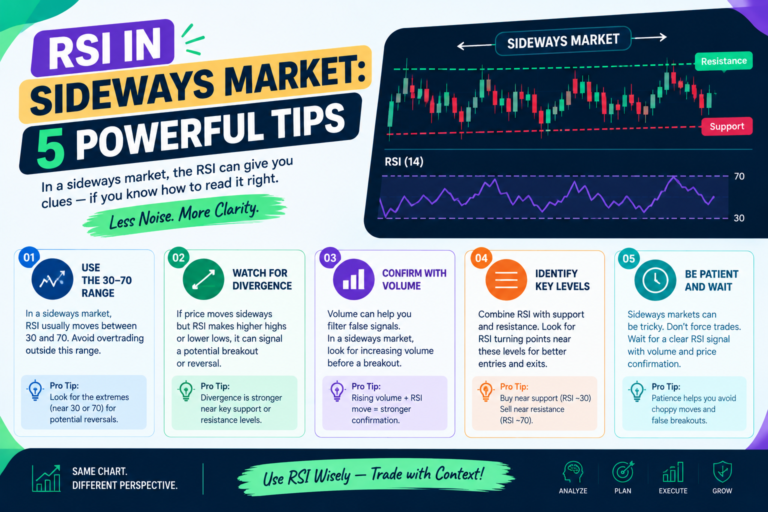
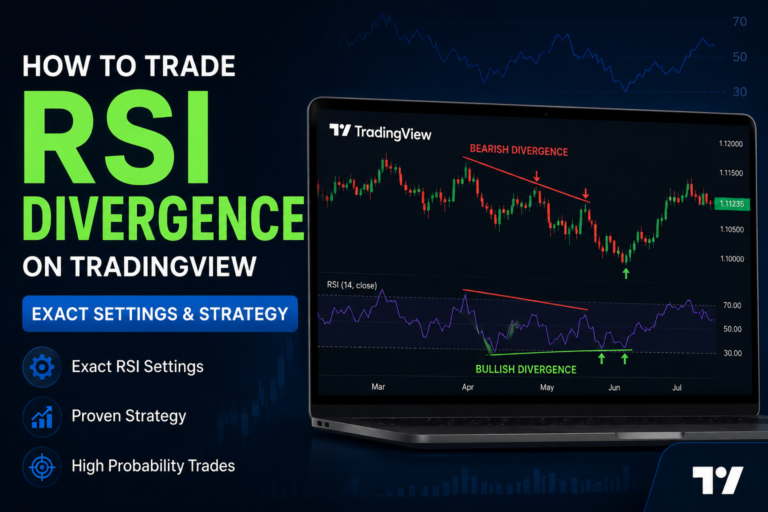
Helps identify overbought and oversold zones.
π Moving Averages
Useful for trend confirmation.
π Volume Analysis
Confirms breakout strength.
π§ Trading Psychology Matters
Trading is more psychological than technical.
- Successful traders:
β Follow discipline
β Accept losses
β Stay patient
β Avoid greed
β Focus on consistency
β οΈ Is Options Trading Safe?
Options trading can be profitable, but it is not easy.
Without proper knowledge and risk management, losses can happen very quickly.
- Beginners should:
β Start with small capital
β Practice paper trading
β Learn option chain analysis
β Focus on capital protection
π Final Thoughts
- Nifty and Bank Nifty options provide excellent opportunities, but success depends on:
- β
Discipline
β Risk management
β Emotional control
β Market understanding
Do not focus only on profits.
Focus on:
π Consistency
π Capital protection
π Process improvement
π Learning continuously
The traders who survive long-term are usually the ones who manage risk better than everyone else.
β Frequently Asked Questions (FAQs)
π Is options trading good for beginners?
Yes, but beginners should start small and learn proper risk management first.
π What is the best time to trade Bank Nifty?
The first 90 minutes after market opening usually provide strong movement and volatility.
π Can I start options trading with βΉ5,000?
You can learn with small capital, but proper risk management becomes difficult with very low capital.
π Which is better: Nifty or Bank Nifty?
Nifty is less volatile and better for beginners. Bank Nifty moves faster and carries higher risk.
π What is the biggest mistake in options trading?
Overleveraging and trading without stop loss.
- Β