Long-Term Wealth Creation – The Complete Guide to Building Lasting Financial Freedom
Long-Term Wealth Creation is one of the most reliable ways to achieve financial freedom. Instead of chasing quick profits, successful investors focus on disciplined investing, compounding, and long-term financial planning.
Building wealth isn’t about becoming rich overnight. It is about making smart financial decisions consistently over many years. The world’s most successful investors—including Warren Buffett—have repeatedly emphasized that wealth grows through patience, discipline, and the power of compounding rather than chasing quick profits.
Recent trends in India also support this mindset. Household savings are steadily shifting toward financial assets such as equities and mutual funds, while retail participation in capital markets continues to rise. Government reports estimate household equity wealth increased significantly between 2020 and 2025 as more investors adopted long-term investing habits instead of speculative trading.
If your goal is to retire comfortably, achieve financial independence, purchase your dream home, or simply grow your money faster than inflation, this guide will help you understand exactly how long-term wealth creation works.

Table of Contents
- What is Long-Term Wealth Creation?
- Why Long-Term Investing Works
- The Psychology Behind Wealth Creation
- The Power of Compounding
- Inflation vs Wealth Creation
- Common Investment Vehicles
- Building a Diversified Portfolio
- Asset Allocation
- Risk Management
- Investment Mistakes
- Expert Tips
- FAQs
What is Long-Term Wealth Creation?
Long-term wealth creation is the process of steadily increasing your net worth over many years through disciplined saving, investing, and intelligent financial planning. Rather than focusing on short-term market fluctuations or quick profits, long-term investors prioritize sustainable growth that compounds over time.
Think of wealth creation like planting a tree. You don’t water it once and expect fruit the next morning. It requires patience, care, and consistency. Every SIP installment, every dividend reinvestment, and every disciplined investment decision acts like another drop of water helping that tree grow stronger.
Many beginners mistakenly believe wealth comes from earning a high salary. While income certainly helps, your financial habits matter even more. Two individuals earning the same salary can end up with vastly different financial outcomes depending on how much they save, invest, and avoid unnecessary debt.
One of the biggest reasons long-term investing succeeds is that it removes emotional decision-making. Instead of reacting to every market headline, successful investors focus on quality assets, diversification, and long investment horizons.
India is also witnessing a structural shift toward long-term investing. According to recent government and SEBI data, more households are investing in equities and mutual funds, with increasing participation from retail investors across smaller cities as well. Household financial savings have increasingly moved toward market-linked assets over the last decade.
Why Long-Term Investing Works Better Than Short-Term Trading
Many new investors dream about doubling their money quickly. Social media often glorifies intraday trading and high-risk speculation, making it appear easy to generate fast profits. The reality is very different.
Markets move unpredictably in the short run because of economic events, geopolitical tensions, interest rate changes, corporate earnings, and investor sentiment. Predicting these movements consistently is extremely difficult—even for professionals.
Long-term investing works because businesses grow over time. Companies expand their operations, launch new products, improve profits, and increase shareholder value. Investors who remain patient benefit from this growth rather than attempting to predict daily price movements.
Recent market data reflects this shift in investor behavior. SEBI’s latest annual report indicates delivery-based investing has increased even during volatile market conditions, suggesting more investors are adopting ownership-oriented investing rather than speculative trading.
Consider this simple comparison.
| Long-Term Investing | Short-Term Trading |
|---|---|
| Lower emotional stress | High emotional pressure |
| Benefits from compounding | Depends on timing accuracy |
| Lower transaction costs | Frequent trading costs |
| Tax-efficient over time | Higher tax implications |
| Suitable for beginners | Requires advanced experience |
The greatest advantage of long-term investing is time itself. Time allows businesses to grow, dividends to accumulate, and compounding to perform its magic.
The Incredible Power of Compounding
The greatest advantage of Long-Term Wealth Creation is that compound growth allows your investments to generate returns on both the original investment and previous earnings.
Albert Einstein is often credited with calling compound interest the eighth wonder of the world. Whether or not he actually said it, the concept remains one of the most powerful forces in finance.
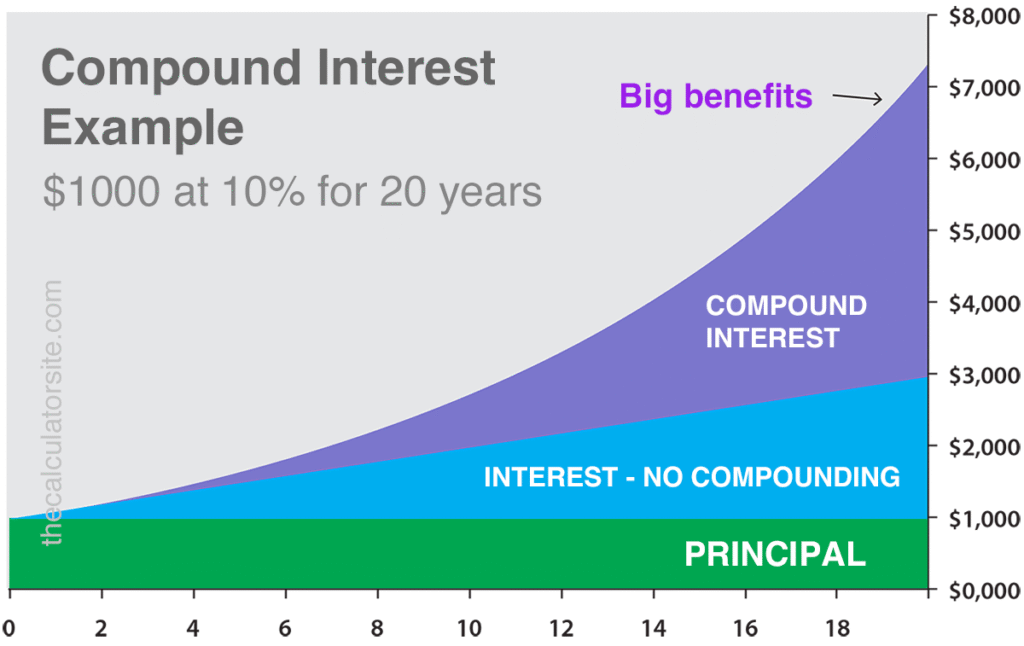
Compounding simply means earning returns not only on your original investment but also on the returns that your investment has already generated. Over many years, this creates exponential growth instead of linear growth.
Imagine investing ₹10,000 every month for 25 years with an average annual return of 12%.
- Monthly Investment: ₹10,000
- Investment Period: 25 Years
- Total Investment: ₹30 lakh
- Estimated Portfolio Value: More than ₹1.8 crore (illustrative estimate, actual returns vary)
The magic isn’t just the returns—it is the length of time your money remains invested.
This explains why financial planners constantly recommend starting early. Someone beginning at age 22 has a tremendous advantage over someone starting at age 35, even if the latter invests more every month.
Compounding also rewards consistency. Missing SIPs, withdrawing investments during market crashes, or frequently changing investment strategies interrupts the compounding process and reduces long-term wealth.
The earlier you start, the less money you often need to invest each month to achieve the same financial goal.
Understanding compound growth becomes even more effective when combined with proper risk management. Read our complete guide on Risk Management in Trading to protect your investments.
Inflation: The Silent Enemy of Wealth
Many people believe keeping money in a savings account is the safest financial strategy. While bank deposits provide security, they may not always preserve purchasing power over long periods if returns fail to outpace inflation.
Inflation gradually reduces the value of money. A product costing ₹100 today may cost ₹180 or ₹200 years later depending on inflation. This means your investments need to grow faster than inflation just to maintain your purchasing power.
Suppose inflation averages around 6% annually.
- ₹10 lakh today may require nearly ₹18 lakh in the future to buy similar goods.
- Retirement expenses continue rising.
- Education costs often increase faster than general inflation.
- Healthcare expenses frequently outpace inflation as well.
This is why wealth creation requires growth-oriented investments rather than simply accumulating cash.
Equities, mutual funds, and diversified portfolios have historically been considered better suited for long-term wealth creation because they have the potential to generate returns above inflation over extended periods, although returns are never guaranteed.
Your objective should never be merely saving money.
Your objective should be growing purchasing power.
The Reserve Bank of India (RBI) regularly publishes reports and monetary policy updates that help investors understand inflation and interest rate trends.
Setting Financial Goals Before Investing
Every successful investment journey begins with a destination.
Without clear financial goals, it becomes difficult to choose suitable investments or remain disciplined during market volatility.
Examples of long-term financial goals include:
- Financial independence
- Early retirement
- Child’s higher education
- Buying a home
- Starting a business
- Building passive income
- Creating generational wealth
Each goal has a different investment horizon and risk profile.
For example:
| Goal | Time Horizon | Suitable Approach |
|---|---|---|
| Emergency Fund | Immediate | Liquid assets |
| House Purchase | 5–10 Years | Balanced portfolio |
| Retirement | 20–35 Years | Growth-focused diversified investments |
| Child Education | 15–20 Years | Equity + Debt allocation |
One interesting finding from SEBI’s Investor Survey is that growing wealth, children’s education, supporting family members, and buying a house rank among the top financial goals for Indian households. The survey also found that investor households allocate a larger share of their income toward investments than non-investors.
Setting measurable goals keeps investors focused during temporary market declines because every investment has a clear purpose rather than being driven by emotions.
You can explore live market indices, listed companies, and educational resources on the National Stock Exchange (NSE) website.
Best Investment Options for Long-Term Wealth Creation
Every investment should support your Long-Term Wealth Creation goals rather than chasing short-term market movements.
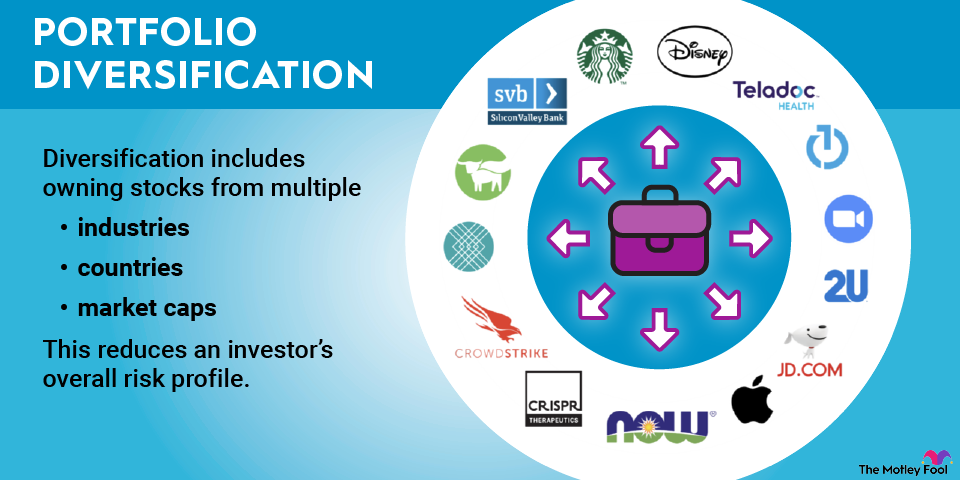
Choosing the right investment is one of the most important decisions in your wealth-building journey. No single investment works for everyone because every investor has different goals, risk tolerance, and investment horizons. The ideal strategy is to build a diversified portfolio instead of relying on just one asset class. Diversification helps reduce risk while increasing the chances of generating consistent returns over many years.
Stocks have historically been among the best-performing asset classes over long periods because they allow investors to participate in the growth of businesses. However, stocks are also more volatile in the short term. Mutual funds, especially equity mutual funds, offer diversification and professional management, making them suitable for beginners. Index funds and Exchange Traded Funds (ETFs) provide low-cost exposure to the overall market and are increasingly popular among long-term investors.
Real estate remains an attractive option for many investors due to its potential for capital appreciation and rental income, although it requires significant capital and offers lower liquidity. Gold, on the other hand, acts as a hedge during periods of economic uncertainty and inflation but generally should not dominate a long-term portfolio. Debt instruments such as government securities, Public Provident Fund (PPF), and fixed-income mutual funds provide stability and help balance portfolio risk.
The key takeaway is simple: don’t chase the highest returns—build a balanced portfolio that matches your financial goals and investment horizon.
If you’re new to investing, our Beginner’s Guide to the Stock Market explains how to start investing with confidence.
Comparison Table: Popular Long-Term Investment Options
| Investment | Risk | Expected Return Potential | Liquidity | Best For |
|---|---|---|---|---|
| Stocks | High | High | High | Long-term wealth growth |
| Equity Mutual Funds | Medium-High | High | High | Beginners & SIP investors |
| Index Funds | Medium | Moderate-High | High | Passive investors |
| ETFs | Medium | Moderate-High | High | Low-cost investing |
| Gold | Low-Medium | Moderate | High | Portfolio diversification |
| Real Estate | Medium | Moderate-High | Low | Long-term capital appreciation |
| PPF | Low | Moderate | Low | Safe retirement savings |
| Bonds | Low | Moderate | Medium | Capital preservation |
To understand how mutual funds work and compare different fund categories, visit the official Association of Mutual Funds in India (AMFI).
Why Diversification Is the Secret to Consistent Wealth Creation
Diversification remains one of the strongest principles of Long-Term Wealth Creation because it helps reduce unnecessary investment risk.
Imagine putting all your money into one company. If that company struggles, your entire investment suffers. Now imagine spreading your investments across stocks, mutual funds, bonds, gold, and other assets. Even if one investment underperforms, others may continue growing. That is the essence of diversification.
Diversification reduces portfolio risk without necessarily sacrificing long-term returns. It protects investors from overexposure to a single industry, sector, or asset class. During periods when equity markets decline, debt instruments or gold may help cushion losses. Likewise, when equities perform strongly, they can drive portfolio growth while other assets provide stability.
Successful investors don’t try to predict which asset will perform best every year. Instead, they build portfolios capable of performing reasonably well under different market conditions. This approach also makes it easier to stay invested during volatile periods because your entire portfolio isn’t dependent on one investment.
A diversified portfolio is one of the most effective ways to reduce unnecessary risk while maintaining long-term growth potential.
Learn more about investor protection, regulations, and market transparency from the Securities and Exchange Board of India (SEBI).
Asset Allocation: The Foundation of Smart Investing
Proper asset allocation is the foundation of successful Long-Term Wealth Creation for investors of every age.
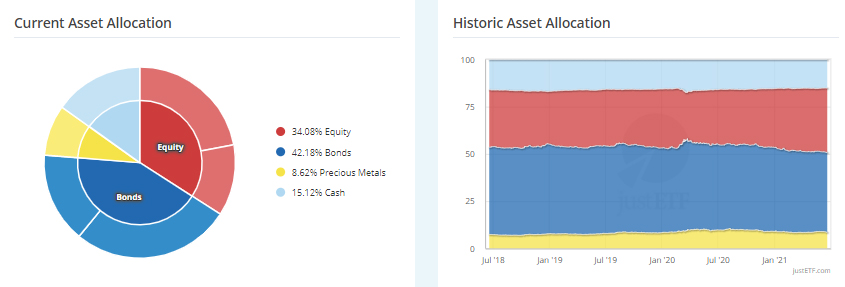
Asset allocation refers to how your investments are distributed across different asset classes such as equities, debt, gold, and cash. Research consistently shows that asset allocation has a greater impact on long-term investment outcomes than trying to pick individual winning stocks.
A young investor with a long investment horizon may allocate a larger percentage to equities because they have more time to recover from market downturns. As retirement approaches, gradually increasing the allocation toward debt instruments and stable investments can help preserve accumulated wealth.
Here is a simple example:
| Age Group | Equity | Debt | Gold/Cash |
|---|---|---|---|
| 20–30 | 80% | 15% | 5% |
| 30–40 | 70% | 20% | 10% |
| 40–50 | 60% | 30% | 10% |
| 50–60 | 45% | 45% | 10% |
These allocations are only examples. Your ideal allocation depends on your income, goals, responsibilities, and comfort with risk.
Step-by-Step Guide to Building Long-Term Wealth
Consistency is one of the biggest drivers of Long-Term Wealth Creation because regular investing allows compounding to work over decades.
Creating wealth is not about making one perfect investment. It is about following a disciplined process consistently over many years.
Step 1: Define Your Financial Goals
Decide exactly what you’re investing for—retirement, buying a home, children’s education, financial independence, or passive income.
Step 2: Build an Emergency Fund
Keep at least six months of essential expenses in a liquid savings account or emergency fund before making long-term investments.
Step 3: Eliminate High-Interest Debt
Pay off expensive loans and credit card balances before aggressively investing.
Step 4: Start Investing Early
The earlier you begin, the more time compounding has to work in your favor.
Step 5: Invest Consistently
Use SIPs or automated investments to maintain discipline regardless of market conditions.
Step 6: Diversify Your Portfolio
Spread investments across multiple asset classes to reduce overall risk.
Step 7: Review Annually
Monitor your portfolio once or twice a year and rebalance if necessary.
Step 8: Stay Patient
Avoid reacting emotionally to short-term market movements. Long-term investing rewards consistency, not frequent trading.
Common Mistakes That Prevent Wealth Creation
Emotional investing is one of the biggest obstacles to Long-Term Wealth Creation, especially during periods of market volatility.
Many investors fail to build wealth not because they choose bad investments, but because they make emotional decisions. One of the biggest mistakes is trying to time the market. Waiting for the “perfect” entry often leads to missed opportunities, while panic selling during market corrections locks in losses.
Another common mistake is investing without clear financial goals. Without a purpose, investors are more likely to withdraw money prematurely or switch strategies frequently. Chasing trending stocks, relying on rumors, and concentrating too much money in one investment also increase risk.
Ignoring inflation, failing to review asset allocation periodically, and stopping SIPs during market downturns can significantly reduce long-term returns. Successful investors understand that temporary market declines are part of the investing journey and remain focused on their long-term objectives.
Real-World Compound Interest Examples: The Secret to Long-Term Wealth Creation
One of the biggest reasons investors build wealth over time is the power of compound interest. Compounding allows your money to earn returns, and then those returns begin earning returns themselves. Over the long term, this creates exponential growth and can significantly increase your wealth.
The Compound Interest Formula
A simple compound interest formula is:
genui{“learning_viz”:{“type_id”:”COMPOUND_INTEREST”,”content”:”FV=PV(1+r)^n”}}
Where:
- FV = Future Value of your investment
- PV = Present Value (initial investment)
- r = Annual rate of return
- n = Number of years invested
The longer you stay invested, the more powerful compounding becomes.
Example 1: One-Time Investment
Imagine you invest ₹1,00,000 in a diversified stock market portfolio that generates an average annual return of 12%.
| Years | Approximate Value |
|---|---|
| 10 Years | ₹3,10,000 |
| 20 Years | ₹9,65,000 |
| 30 Years | ₹29,96,000 |
Notice that the growth accelerates dramatically during the later years. This is the power of compounding at work.
Example 2: Monthly SIP Investment
Suppose you invest ₹5,000 every month through a Systematic Investment Plan (SIP) and earn an average annual return of 12%.
| Investment Period | Total Invested | Approximate Corpus |
|---|---|---|
| 10 Years | ₹6,00,000 | ₹11.5 Lakh |
| 20 Years | ₹12,00,000 | ₹50 Lakh |
| 30 Years | ₹18,00,000 | ₹1.75 Crore |
Even though you invested only ₹18 lakh over 30 years, compounding helped your portfolio grow to approximately ₹1.75 crore.
Example 3: Starting Early vs Starting Late
Let’s compare two investors:
Investor A
- Starts investing at age 25
- Invests ₹5,000 per month
- Continues for 30 years
Investor B
- Starts investing at age 35
- Invests ₹5,000 per month
- Continues for 20 years
Assuming a 12% annual return:
| Investor | Total Invested | Approximate Wealth |
|---|---|---|
| Investor A | ₹18 Lakh | ₹1.75 Crore |
| Investor B | ₹12 Lakh | ₹50 Lakh |
Investor A invested only ₹6 lakh more but accumulated more than three times the wealth. This demonstrates why time in the market is more important than timing the market.
Key Takeaway
The formula for long-term wealth creation is simple:
Start Early + Invest Consistently + Stay Invested = Massive Wealth Creation
The true magic of compound interest comes from patience. The longer your money remains invested, the harder it works for you, making compounding one of the most powerful tools for achieving financial freedom and long-term wealth creation.
Pros and Cons of Long-Term Wealth Creation
| Pros | Cons |
|---|---|
| Power of compounding | Requires patience |
| Potential to outperform inflation | Market volatility |
| Lower trading costs | No guaranteed returns |
| Reduced emotional investing | Long investment horizon |
| Suitable for goal-based planning | Requires financial discipline |
| Can generate passive income | Periodic portfolio review needed |
Expert Tips for Successful Wealth Creation
Reviewing your portfolio every year helps keep your Long-Term Wealth Creation plan aligned with your financial goals.
- Start investing as early as possible.
- Increase your investments whenever your income increases.
- Stay invested during market corrections.
- Avoid checking your portfolio every day.
- Diversify across multiple asset classes.
- Reinvest dividends whenever possible.
- Review your financial goals annually.
- Continue learning about investing and personal finance.
- Focus on long-term trends instead of daily market noise.
- Invest based on your goals—not on social media hype.

You can also explore our detailed guide on Trading Psychology to understand how emotions influence financial decisions.
Conclusion
Long-term wealth creation is built on consistency, patience, and informed financial decisions—not on luck or market timing. While short-term market movements can be unpredictable, disciplined investing over many years has historically rewarded investors who stay committed to their goals.
The journey begins with setting clear financial objectives, building an emergency fund, choosing appropriate investments, diversifying your portfolio, and allowing compounding to work over time. Every investment decision should align with your risk tolerance and financial aspirations.
Remember, wealth is not created overnight. It grows gradually through disciplined saving, smart investing, and avoiding emotional decisions. The sooner you begin, the greater the opportunity to achieve financial freedom and long-term security.
Long-Term Wealth Creation requires patience, discipline, and a long investment horizon.
Every small investment you make today contributes to your Long-Term Wealth Creation journey.
Start your Long-Term Wealth Creation plan today and allow compounding to build your financial future.
For government-backed savings schemes and official financial initiatives, visit the National Portal of India.
Frequently Asked Questions (FAQs)
Q: Why is Long-Term Wealth Creation important?
A: Long-Term Wealth Creation helps investors beat inflation, achieve financial goals, and build lasting financial independence through disciplined investing.
1. What is long-term wealth creation?
It is the process of building financial wealth over many years through disciplined saving, investing, and compounding.
2. How much should I invest every month?
Invest according to your income and goals. Many financial planners recommend saving and investing at least 20% of your monthly income if possible.
3. Is SIP good for long-term wealth creation?
Yes. SIPs encourage disciplined investing and help average purchase costs over time.
4. Can beginners invest in stocks?
Yes, but beginners often benefit from starting with diversified mutual funds or index funds before selecting individual stocks.
5. Why is diversification important?
Diversification reduces portfolio risk by spreading investments across different asset classes.
6. Is gold a good long-term investment?
Gold is best used as a diversification tool rather than the primary wealth-building investment.
7. Should I stop investing during a market crash?
Generally, long-term investors continue investing during market declines, as lower prices may provide opportunities. Individual circumstances vary.
8. What is compound interest?
It is earning returns on both your original investment and the returns already generated, leading to exponential growth over time.
9. How often should I review my portfolio?
A review once or twice a year is usually sufficient unless your financial goals change significantly.
10. Can long-term investing beat inflation?
Growth-oriented investments have the potential to outpace inflation over long periods, although returns are never guaranteed.
11. What is the biggest mistake new investors make?
Trying to time the market and making emotional investment decisions.
12. How long should I stay invested?
Ideally, remain invested until you achieve your financial goal. Longer investment horizons generally allow compounding to have a greater effect.
Ready to start your wealth-building journey? Set your financial goals today, create a diversified investment plan, invest consistently, and let time and compounding work in your favor. Every small investment you make today can become the foundation of your financial freedom tomorrow.