Trading Psychology
Trading Psychology: The Hidden Key to Trading Success

Introduction
Most beginner traders spend countless hours searching for the perfect strategy. They test indicators, watch YouTube videos, and buy expensive courses hoping to discover a secret formula that guarantees profits. Yet many of these traders continue losing money despite having access to good strategies.
Why does this happen?
The answer often lies in trading psychology. Successful trading is not only about technical analysis, chart patterns, or market knowledge. It is also about controlling emotions, staying disciplined, and making rational decisions under pressure. In fact, many professional traders believe psychology plays a bigger role in long-term success than any trading strategy.
Whether you trade forex, stocks, cryptocurrencies, or commodities, understanding your emotions can dramatically improve your results. In this guide, you’ll learn what trading psychology is, why it matters, and how to develop the mindset of a successful trader.
What Is Trading Psychology?
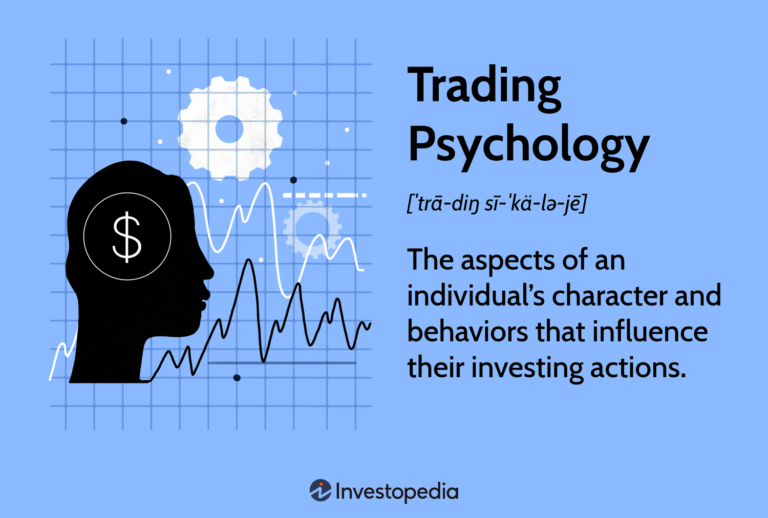
Trading psychology refers to the emotions and mental state that influence trading decisions. Every trader experiences emotions such as fear, greed, hope, excitement, and frustration. These emotions can either help or hurt your performance depending on how well you manage them.
Imagine a trader who enters a position according to their strategy. The trade immediately moves against them. Fear begins to take over, and instead of following their plan, they close the trade early. Minutes later, the market reverses and hits the original target.
This scenario happens every day because emotions often override logic.
Trading psychology focuses on developing the discipline needed to follow a trading plan regardless of emotional pressure. It helps traders make decisions based on facts rather than feelings.
Why Trading Psychology Is More Important Than Strategy
Many beginners believe that finding a perfect strategy will solve all their trading problems. The reality is different. Even the best strategy can fail if a trader cannot control their emotions.
A trader may have a profitable system but still lose money because they:
Enter trades too early
Close winners too quickly
Let losing trades run too long
Overtrade after losses
Ignore risk management rules
The market constantly tests patience and discipline. Success comes from executing a strategy consistently rather than constantly searching for a better one.
Think of trading like driving a high-performance sports car. A powerful car is useless if the driver lacks control. Similarly, a profitable strategy means little if a trader cannot manage their emotions.
The Role of Fear in Trading
Fear is one of the most common emotions traders experience. It appears in different forms throughout the trading journey.
Some traders fear losing money and hesitate to enter valid setups. Others fear missing opportunities and jump into trades without proper analysis.
Fear often causes traders to:
Exit trades too early
Avoid taking quality setups
Constantly change strategies
Reduce position size unnecessarily
The solution is building confidence through preparation. When traders understand their strategy and risk management rules, fear becomes easier to manage.
Remember that losses are part of trading. Even professional traders lose trades regularly. The goal is not to avoid losses completely but to keep them small and controlled.

Understanding Greed in Financial Markets
Greed is another powerful emotion that destroys trading accounts.
After a few winning trades, many traders become overconfident. They start increasing position sizes, removing stop losses, and taking unnecessary risks.
Greed often convinces traders that every trade will be a winner. This mindset can quickly lead to significant losses.
Successful traders understand that consistent profits come from patience, not reckless behavior. They focus on protecting capital rather than chasing unrealistic gains.
The market will always provide new opportunities. Missing one trade is not the end of the world.
How Emotional Trading Leads to Losses
Emotional trading occurs when decisions are based on feelings instead of analysis.
For example, a trader loses three trades in a row. Frustrated and angry, they decide to increase their position size to recover losses quickly. This is known as revenge trading.
Instead of following their plan, they allow emotions to take control. In many cases, this leads to even larger losses.
Emotional trading creates a dangerous cycle:
Loss occurs
Emotion increases
Poor decision is made
Bigger loss occurs
Emotion becomes stronger
Breaking this cycle requires self-awareness and discipline.
The Importance of Discipline in Trading
Discipline is what separates professional traders from gamblers.
A disciplined trader follows their trading plan regardless of recent wins or losses. They understand that consistency is more important than short-term results.
Discipline includes:
Following entry rules
Respecting stop losses
Managing risk properly
Keeping emotions under control
Maintaining a trading journal
The most successful traders treat trading like a business rather than a game.
Developing a Winning Trading Mindset

A winning mindset is built through habits, not luck.
Professional traders focus on:
Process Over Profits
Instead of obsessing over daily profits, they focus on executing their strategy correctly.
Long-Term Thinking
Successful traders understand that one trade does not define their career.
Continuous Learning
Markets constantly evolve. Great traders continue improving their knowledge and skills.
Emotional Control
They accept losses as a normal part of trading and avoid emotional reactions.
Building these habits takes time, but the rewards are significant.
Practical Tips to Improve Trading Psychology
Create a Trading Plan
A detailed trading plan reduces emotional decision-making by providing clear rules.
Use Proper Risk Management
Never risk more than you can afford to lose on a single trade.
Keep a Trading Journal
Record every trade, including the reasons for entry and exit. This helps identify emotional patterns.
Take Breaks
If emotions become overwhelming, step away from the market.
Set Realistic Expectations
Trading is a marathon, not a sprint. Focus on gradual improvement rather than quick riches.
Common Psychological Mistakes Beginners Make
Many new traders struggle because they:
Chase losses
Overtrade
Follow social media hype
Ignore risk management
Expect instant success
Change strategies constantly
Recognizing these mistakes early can save both money and frustration.
Conclusion
Trading psychology is often the missing piece that separates successful traders from struggling ones. While technical analysis and trading strategies are important, emotional control ultimately determines long-term success.
Fear, greed, impatience, and overconfidence can sabotage even the best trading systems. By developing discipline, following a trading plan, and focusing on consistent execution, traders can improve their performance significantly.
The market rewards patience, preparation, and emotional control. Master your mindset, and you’ll be one step closer to becoming a consistently profitable trader.
FAQs
What is trading psychology?
Trading psychology refers to the emotions and mental state that influence trading decisions.
Why is trading psychology important?
It helps traders manage emotions and make rational decisions under pressure.
Can emotions affect trading performance?
Yes. Fear and greed are among the biggest reasons traders lose money.
How can I improve my trading mindset?
Follow a trading plan, use risk management, keep a journal, and focus on long-term consistency.
What is the biggest psychological mistake traders make?
Revenge trading and allowing emotions to dictate decisions are among the most common mistakes.